Close


Layered Monotypes
Lesson Plan, Grades K-12, Art, Language Arts, Math, Science, Sax, Printmaking
Description
Lesson Plan and Artwork by Dana DuMont
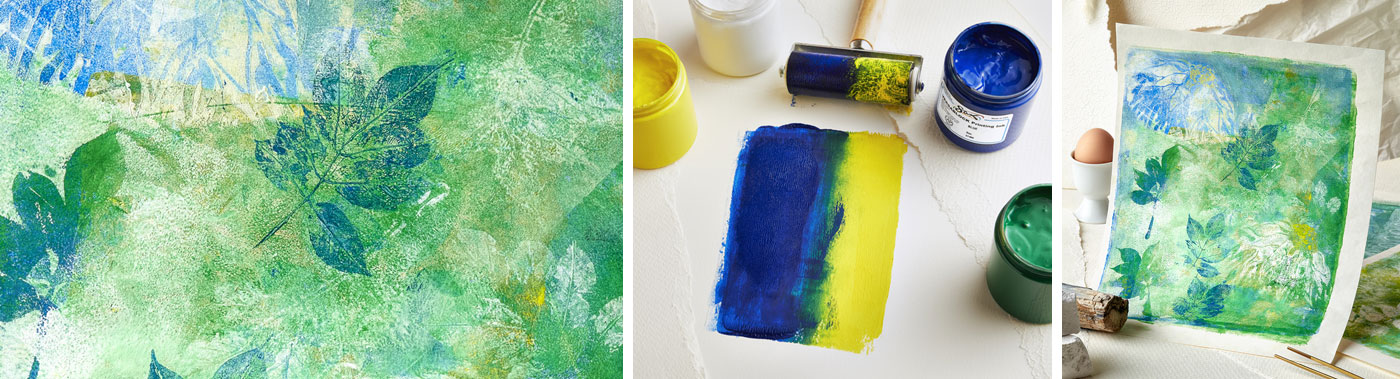
This lesson uses inventive processes that encourage students to use variety of Sax materials to build up complex compositions as they draw, paint and print. Students will examine the work of Rick Bartow, Rozeal, Degas, and the Cape Dorset Printmakers to explore techniques, effects, and subject matter to create these layered unique monotype prints.
Objectives
- Examine works by artists in multiple disciplines discuss their varied styles, and explore ideas for layered images.
- Plan and select contrasting colors for papers and inks while also planning color groupings for ink layers.
- Manipulate and experiment with Sax printing and painting media in combination with other mediums to create a collection of monotypes.
Supplies Needed
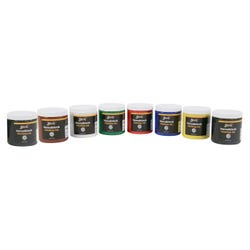
Sax® Versablock Block Printing Inks, 8 Ounces, Assorted Colors, Set of 8
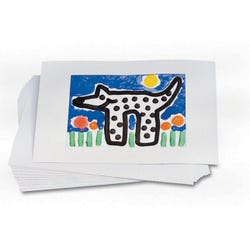
Sax® Block Printing Paper, 9 x 12 Inches, 60 lb, White, 100 Sheets
Sax® True Flow® Acrylic Medium, Quart, Matte
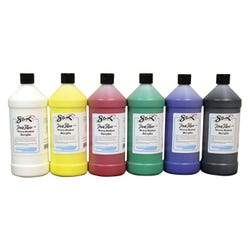
Sax® True Flow® Heavy Body Acrylic Paint, Assorted Colors, Quarts, Set of 6
Inovart Mat Board Frame, 12 x 16 Inches, 6-Ply, White, Pack of 12
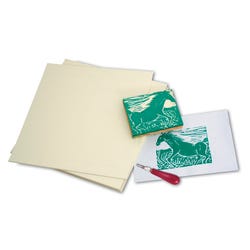
Sax® Unmounted Linoleum, 6 x 9 Inches, Pack of 12
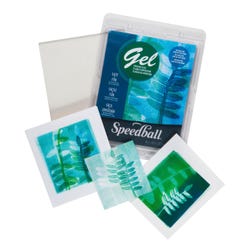
Speedball® Gel Printing Plate, 8 x 10"
Speedball® Soft Rubber Brayer with Plastic Handle, 4"
Speedball Red Baron Block Printing Baren, 4 Inches
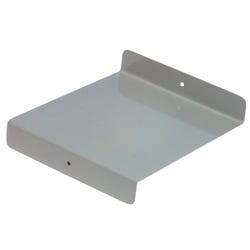
Inovart Combination Inking Plate and Bench Hook, 7 x 9"
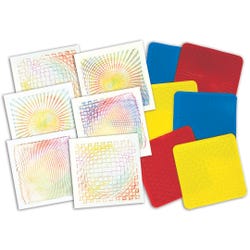
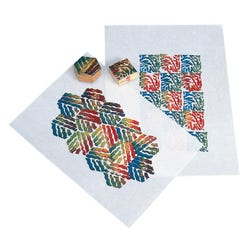
Roylco® Optical Illusion Rubbing Plates, 7 x 7", Set of 6
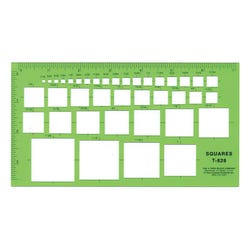
Westcott® Squares Template, 4 x 7-1/4", Pack of 3
Westcott® Circles Template, 45 Circles, Pack of 3
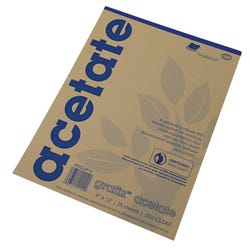
Grafix® Acetate Pad, 9 x 12", Clear, 25 Sheets/Pad
Speedball® Adjustable Linoleum Number 1 Cutter, Set of 6
Standards
Standard #1: Generate and conceptualize artistic ideas and work.
Standard #2: Organize and develop artistic ideas and work.
Standard #3: Refine and complete artistic work.
Standard #4: Select, analyze and interpret artistic work for presentation.
Standard #5: Develop and refine artistic work for presentation.
Standard #7: Perceive and analyze artistic work.
Standard #8: Interpret intent and meaning in artistic work.
Standard #9: Apply criteria to evaluate artistic work.
Standard #10: Synthesize and relate knowledge and personal experiences to make art.
Instructions
1
Have students research how and why artists layer color, and text in their compositions.
2
Discuss monotype printing vs. other printing techniques. Introduce or review color theory including analogous, complementary, primary, and secondary colors.
3
Add student names to the back of Sax Block Printing papers with pencil. If desired, draw letters or images with permanent marker on front of paper.
4
Spoon out Sax Versablock Printing Inks onto trays and plates. Roll a thin layer of ink on an inking plate or gel plate, then place, press firmly and remove texture plate, leaves, stencils, etc. onto ink to make an impression in the ink. Place paper on top and rub with one hand as the other hand holds the paper firmly in place. Slowly remove the paper and assess the first layer. This process can end with a single layer or with many layers and can be made using a single size of printing plate or multiple sizes.
5
The next layer(s) can be added while the print is wet or dry. Alternatively, students can make all the first layers during a first session and add more layers or surface drawing in another.
6
Once dry, prints are collected, sorted, and if desired, details can be added using colored pencils.
7
Review high and low contrasting color selection before choosing mat color.
8
Final critique can include discussion of art influences, choices made in-process, surprise effects created, messages communicated, challenges in the process, and favorite completed works.