Sensory Processing
Categories
Viewing 241 - 271 of 271
Sort by:
Filtered by:
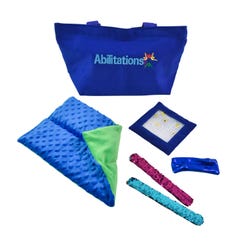
Item #: 2091449
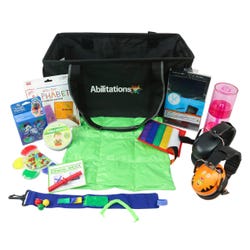
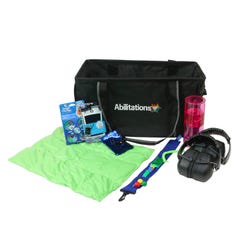
Abilitations Calming Break Bag
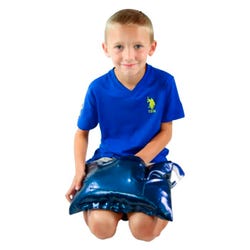
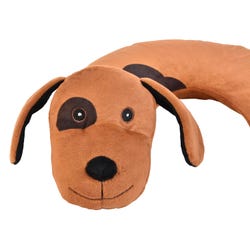
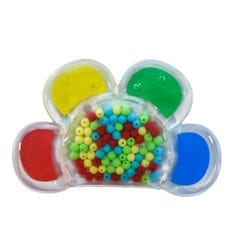
Item #: 2095235
Abilitations Bead Color Sorter
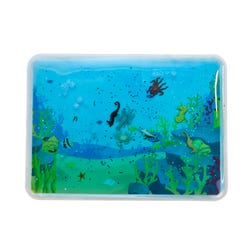
Item #: 2096177
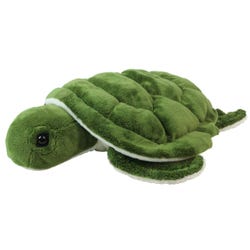
Abilitations Aquarium Lap Pad, 1 Pound

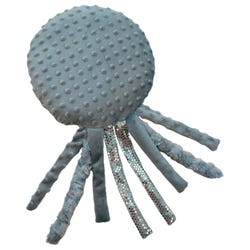
Item #: 2103266
Abilitations Weighted Sensory Jellyfish, 3 Pounds
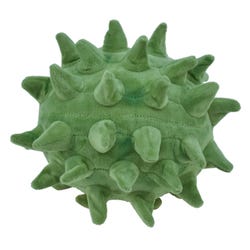
Item #: 2103285
Abilitations Weighted Dinosaur Egg, 2 Pounds
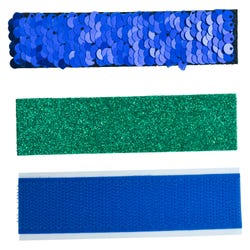
Item #: 2103316
Abilitations Sensory Strips, Classroom Pack of 18
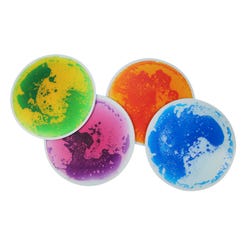
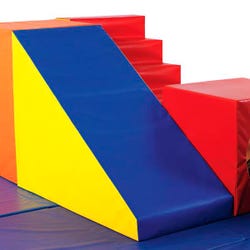
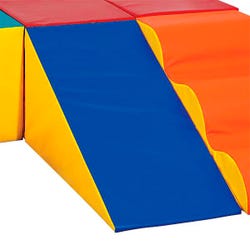
Item #: 2124731
Abilitations Low Wedge
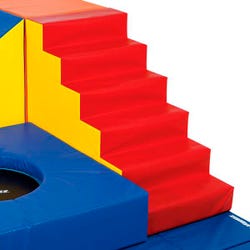
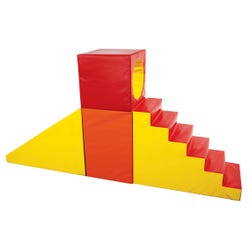
Item #: 2124770
Abilitations Foam Cube
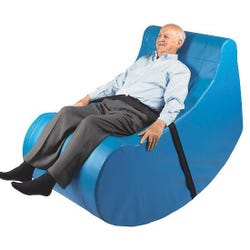
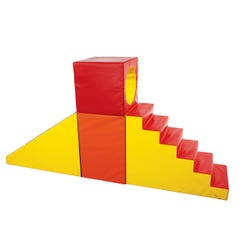
Item #: 2124830
Abilitations High Platform
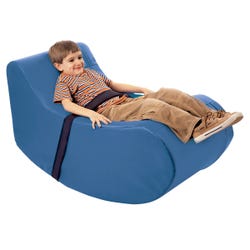
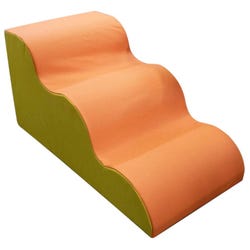
Item #: 2124846
Abilitations Waves
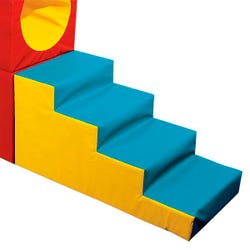
Item #: 2124847
Abilitations Low Steps
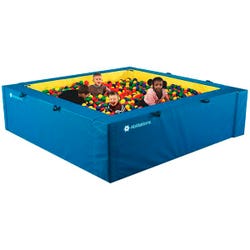
Item #: 2125793
Abilitations Ballpool, Large
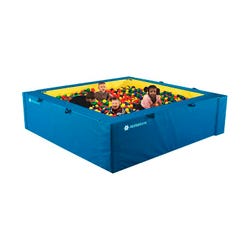
Item #: 2125794
Abilitations Ballpool, Medium
Item #: 2125870
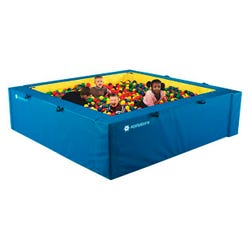
Abilitations Ballpool, Small
Viewing 241 - 271 of 271
Best Sellers
Finding Sensory Support in Classrooms and Sensory Rooms
Support sensory processing in your educational space with sensory tools found at School Specialty. From fidgets to visual timers and sensory kits, these resources can help students develop self-regulation skills while keeping children more engaged in ways that work for them. Creating opportunities for sensory exploration can help learners of all ability levels build confidence and engage more fully in their educational environments.
Multi-sensory environments lend new ways to interact with and process the senses and sounds commonly found in public spaces, a retreat for those who need a sensory break. Sensory room equipment such as bubble tubes, sensory wall panels, sensory walls, vestibular therapy swings, and sensory tables can help create calming, engaging spaces that support a range of sensory preferences and needs. Additional resources, including sensory bins, chewy jewelry, weighted blankets and lap pads, weighted animals, and weighted vests, provide targeted sensory support that can be incorporated into classrooms, therapy settings, and dedicated sensory rooms.
Whether used in inclusive classrooms or specialized learning spaces, sensory equipment provides opportunities for movement, exploration, and comfort. By incorporating sensory processing resources into daily learning experiences, educators can help foster participation, independence, and positive outcomes for students with a variety of sensory needs.